
Masaje y Terapia Corporal
Guía para principiantes sobre el masaje deportivo en el North Metro
5D Wellness Team·8 min de lectura·22 de julio de 2026
Por qué el masaje deportivo no es solo para atletas profesionales
No hace falta ser un atleta de competición para terminar el fin de semana molido. Un sábado de hockey sobre estanque en Ham Lake, un largo remo en un lago cerca de Cedar, una tarde luchando por poner en orden el jardín en primavera, una honesta mañana paleando la entrada de una casa en East Bethel: cualquiera de esas cosas puede dejarte la espalda, los hombros y las piernas tan doloridos como un entrenamiento intenso. Ese desgaste cotidiano es justamente lo que un masaje deportivo está pensado para atender.
Si nunca has reservado uno, el nombre puede intimidar. Pero el masaje deportivo es en realidad un estilo de trabajo corporal enfocado y práctico para cualquiera que exige mucho a los mismos músculos. Esta guía para principiantes explica qué es en realidad, qué muestra honestamente la investigación (y qué no), cómo se siente tu primera sesión y cada cuánto ir, con un enfoque del North Metro para la gente de Andover, Blaine, Anoka y alrededores.
Qué es realmente el masaje deportivo
El masaje deportivo toma mucho del trabajo de tejido profundo, pero se concentra en los músculos específicos que sobrecarga una actividad determinada. Como explica la Cleveland Clinic, está muy relacionado con el masaje de tejido profundo, solo que enfocado en las zonas que "reciben una paliza" durante el deporte o la actividad física repetitiva.
Ayuda ver dónde encaja entre los tres estilos que la mayoría conoce primero. El sueco es la opción suave de relajación de cuerpo completo, un punto de entrada amable si eres principiante. El de tejido profundo ataca la tensión crónica con una presión más firme y concentrada. El masaje deportivo es el primo que se centra en los músculos que tu actividad exige de forma específica, y puede programarse en torno al entrenamiento o a los eventos. ¿Aún lo estás decidiendo? Nuestra guía sobre cómo se compara con el sueco y el de tejido profundo es una buena lectura complementaria.
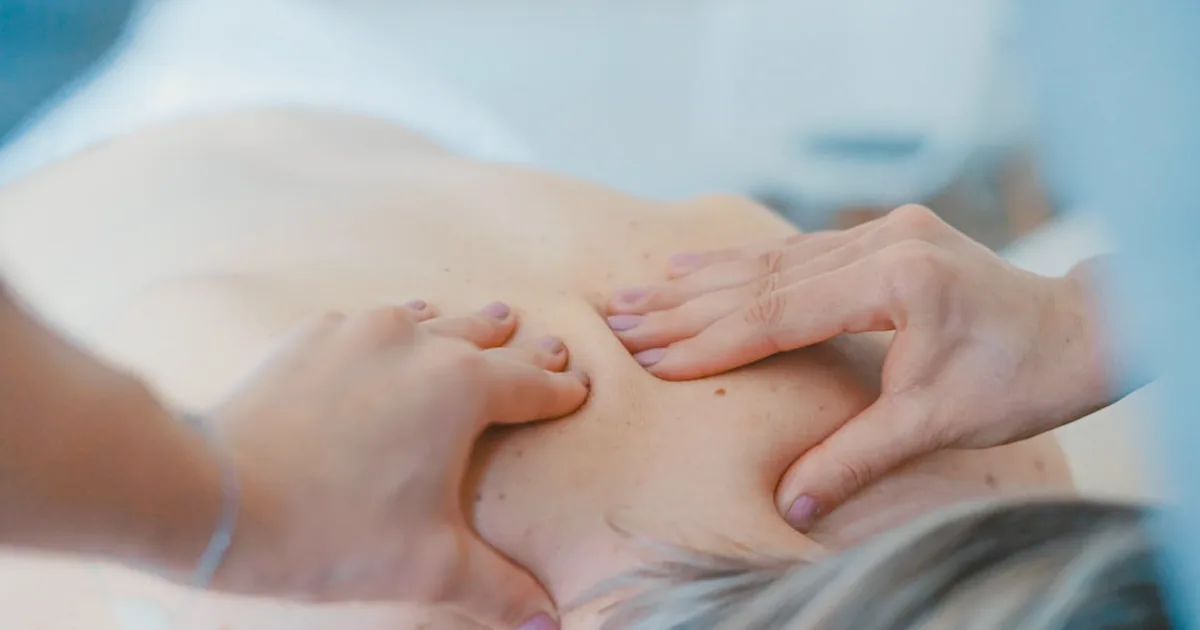
Durante una sesión sentirás un puñado de técnicas básicas. La effleurage es el trazo largo y deslizante de calentamiento. La petrissage amasa y levanta el músculo. La fricción penetra en los nudos rebeldes con trazos más profundos a contra fibra, y la compresión aplica una presión firme con la palma. Un buen terapeuta combina todas ellas en lugar de quedarse con un solo movimiento, y suele mezclar también técnicas de relajación, así que rara vez se siente puramente clínico.
Qué muestra realmente la investigación
Aquí es donde una guía para principiantes debe ser honesta: el masaje deportivo es genuinamente útil para algunas cosas y está sobrevalorado para otras. Conocer la diferencia es la forma de sacarle verdadero provecho.
Dónde es más sólida la evidencia
La revisión más grande hasta la fecha reunió 29 estudios con más de 1000 personas. Encontró que el masaje producía una mejora estadísticamente significativa de alrededor del 13% en el dolor muscular de aparición tardía, esa sensación rígida y adolorida que aparece uno o dos días después de un esfuerzo intenso, junto con un aumento cercano al 7% en la flexibilidad. Así que, si tu objetivo principal es sentirte menos dolorido y moverte un poco más fácil después de exigirte, ese es el punto ideal.
También hay un factor de estrés y estado de ánimo. La investigación sobre el masaje en atletas lo ha vinculado con niveles más bajos de cortisol y reducciones en la ansiedad y el ánimo decaído. Parte de por qué una buena sesión te deja sintiéndote renovado es simplemente que tu sistema nervioso tuvo una hora para bajar de revoluciones.
Expectativas honestas
Lo que el masaje deportivo no hará es convertirte en un atleta más rápido o más fuerte. Esa misma revisión amplia no encontró mejoras significativas en fuerza, velocidad de sprint, salto ni resistencia. Su verdadero valor está en la recuperación y en cómo te sientes, no en potenciar el rendimiento en bruto. Y las mejoras de flexibilidad, aunque reales, tienden a ser pasajeras, lo cual es una gran razón por la que la constancia importa más que cualquier cita aislada. Piénsalo como apoyo para tu recuperación y comodidad, no como un atajo hacia la forma física.
Qué esperar en tu primera sesión
No conocer la rutina es la razón más común por la que la gente pospone reservar. Así que aquí tienes el recorrido completo, de principio a fin.
Primero viene una breve entrevista. Tu terapeuta te preguntará por tus objetivos —isquiotibiales adoloridos por correr, un cuello agarrotado por el trabajo de escritorio, recuperación general— y por cualquier condición de salud o lesión. Luego tendrás privacidad para desvestirte hasta donde te sientas cómodo y acomodarte boca abajo sobre la camilla bajo una sábana, normalmente en una sala tenue y tranquila. Solo quedas descubierto en la zona específica en la que se está trabajando.
La presión en un masaje deportivo es más firme que en uno sueco, así que espera un "dolor bueno" en los puntos tensos. Lo que no deberías sentir es un dolor agudo o real. Si es demasiado, dilo: un buen terapeuta se mantiene atento y ajusta, y puedes pedir un trabajo más suave en cualquier momento. Es normal cierta sensibilidad al día siguiente, muy parecida a la de después de un buen entrenamiento; bebe agua, muévete con suavidad y se asienta rápido. Cuando estés listo para probarlo cerca de casa, puedes reservar un masaje en 5D Wellness aquí en East Bethel y dejar que el terapeuta adapte la sesión a lo que sea que tu cuerpo haya estado reclamando.
¿Cada cuánto deberías ir?
Como los beneficios se acumulan con la repetición en lugar de durar para siempre tras una sola visita, un ritmo constante supera a una cita suelta. La investigación sobre el trabajo de tejido profundo y de estilo deportivo señala que las sesiones regulares —aproximadamente cada dos semanas— se asocian con mejores ganancias en el rango de movimiento con el tiempo que las citas esporádicas.
Una manera sencilla de pensar en el momento oportuno: una sesión más ligera y de drenaje en los días previos a un gran evento te ayuda a sentirte suelto; una sesión centrada en la recuperación en las horas o días posteriores apunta al dolor; y las sesiones de mantenimiento constantes evitan que la tensión diaria se acumule. En el North Metro, eso encaja perfectamente con el calendario: súbele durante la temporada de hockey, a lo largo de los meses de lago y remo del verano, y durante el largo tramo de palear nieve del invierno de Minnesota. Los jardineros que salen de un fin de semana intenso de siembra en primavera también son candidatos ideales.
Preguntas frecuentes
¿Duele un masaje deportivo?
No debería ser doloroso. El masaje deportivo usa una presión más firme que un masaje de relajación, así que puedes sentir un "dolor bueno" en los puntos tensos y algo de sensibilidad al día siguiente, pero un dolor agudo es una señal para hablar. Un buen terapeuta se mantiene atento y ajusta la presión; siempre puedes pedir un trabajo más suave en cualquier momento.
¿Tengo que ser atleta para recibir un masaje deportivo?
Para nada, el nombre es un poco engañoso. Cualquiera que someta a esfuerzo repetido a los mismos músculos se beneficia: jugadores de hockey y remeros de fin de semana por el North Metro, claro, pero también jardineros, enfermeras de pie todo el turno, oficinistas con hombros tensos y cualquiera que palee la entrada de su casa durante todo el invierno de Minnesota.
¿En qué se diferencia un masaje deportivo de un masaje normal?
Un masaje sueco es una sesión de relajación suave de cuerpo completo. Un masaje deportivo toma del trabajo de tejido profundo pero se concentra en los músculos específicos que sobrecarga tu actividad, a menudo con técnicas como la fricción y la compresión, y puede programarse en torno al entrenamiento o a los eventos. Si eres completamente nuevo en el masaje, el sueco es el punto de entrada más suave.
¿Cuándo debería reservar un masaje deportivo en torno a un gran evento o carrera?
Una sesión más ligera y de drenaje en los días previos a un evento puede ayudarte a sentirte suelto, mientras que una sesión centrada en la recuperación en las horas o días posteriores apunta al dolor. Para el entrenamiento diario, un ritmo de mantenimiento constante suele importar más que el momento perfecto en torno a cualquier evento aislado.
En resumen
El masaje deportivo es una herramienta práctica de recuperación para cualquiera que exige mucho a su cuerpo, no solo para los competidores. La evidencia más sólida gira en torno a aliviar el dolor, mejorar un poco la flexibilidad y reducir el estrés, mientras que la salvedad honesta es que no te hará más rápido ni más fuerte por sí solo. Para la mayoría de los cuerpos del North Metro, ese es justo el tipo de apoyo que hace más sostenible una vida activa. Si te ha dado curiosidad, el paso más fácil es reservar una hora en 5D Wellness, en East Bethel, y ver cómo responden tus músculos.
Este artículo es solo para fines generales de bienestar y educación y no constituye consejo médico. Los servicios de 5D Wellness no sustituyen la atención médica profesional. Los resultados varían según la persona. Consulta a un profesional de la salud calificado antes de comenzar cualquier práctica de bienestar, especialmente si estás embarazada o tienes una condición médica.