
Infrared Sauna
How an Infrared Sauna Supports Post-Sweat Relaxation
5D Wellness Team·9 min read·July 1, 2026
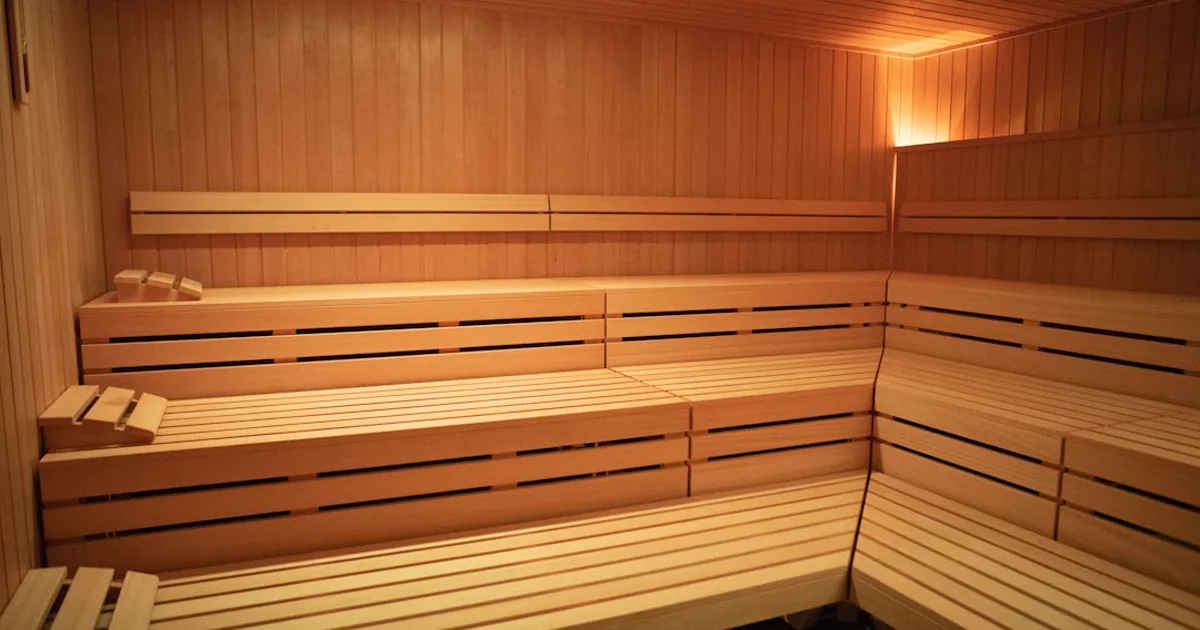
There's a particular kind of quiet that settles in after you step out of an infrared sauna. Your shoulders drop. Your breathing slows. The long week — or the long shoveling session, or the hard workout — feels a little further away. If you've spent time in the sauna at a North Metro wellness studio, you know the feeling. What you might not realize is that infrared sauna relaxation is less about the heat itself and more about the wind-down that follows it.
For folks around East Bethel, Ham Lake, and Andover who want a low-effort way to decompress after activity, cold, or plain old stress, this is worth understanding. So here's what's actually happening in your body when you sweat and settle, what the research suggests about relaxation and recovery, and how to build a routine that leaves you calm rather than wiped out.
Why the Heat Feels Gentle
An infrared sauna doesn't work the way a traditional Finnish sauna does. Rather than superheating the air around you to 170–200°F, it uses infrared warmth to heat your body more directly at much milder temperatures — usually somewhere around 110–130°F. That one difference is the whole reason so many people find it easier to relax in.
Researchers who compared far-infrared and traditional saunas described the infrared experience as "a comfortable and relaxing experience" and "a very light loading for the body." In that study, participants' heart rates after an infrared session averaged 71 beats per minute, compared with 92 after a traditional sauna. The infrared heat also reached a few centimeters into the tissue rather than just warming the surface of the skin.
Why does that matter for relaxation? Because you're not gritting your teeth through a blast of hot air. The gentleness is the point. You can actually settle in, let your mind wander, and enjoy the warmth instead of counting the seconds until you can leave.
The Post-Sweat Wind-Down
Step into an infrared sauna and your body gets to work almost immediately. According to Cleveland Clinic, within minutes your blood vessels widen and blood flow increases — a response the clinic compares to walking at a moderate pace. Beads of sweat appear, circulation picks up, and warmth spreads through tired muscles.
That extra blood flow is part of what makes the sauna a favorite for people who want to loosen up after being active. It helps deliver what muscles need to recover after a hard effort — a hockey practice, a trail run, or a Saturday spent clearing the driveway.
But the signature relaxation — the part everyone talks about — usually shows up after you step out. As you cool down, your blood vessels stay open for a while, your muscles stay warm and loose, and your nervous system eases back toward baseline. Cleveland Clinic notes that sauna time is associated with reduced stress, less anxiety, and better sleep. That quiet, heavy-limbed calm you feel walking to the car? That's the wind-down doing its work.
What the Research Says About Recovery
The relaxation isn't just a nice feeling — it seems to change how recovery feels, too. In one study, athletes who added a 20-minute infrared sauna session after resistance training reported less muscle soreness and higher perceived recovery than those who simply rested. The difference carried into the next morning.
Here's the interesting wrinkle: objective markers of muscle damage weren't much different between the sauna group and the rest group. The sauna didn't necessarily repair tissue faster — but it made people feel less sore and more recovered. If you've ever dragged yourself through a Monday after a rough weekend, you know that subjective difference is far from trivial. Feeling better often is better.
It's worth framing this the way it deserves to be framed: an infrared sauna is a supportive wellness practice, not a medical treatment. It's a comfortable, pleasant way to help your body unwind — nothing more, nothing it needs to pretend to be.
The Short Stress, Then the Calm
Here's a small paradox worth knowing. During a sauna session, your body is technically under a mild, temporary stress. Your heart rate rises a little and your heart rate variability dips — signs that your system is working to keep you cool. It's the same reason a warm session can feel like light exertion.
The reassuring part is that this stress is short-lived. Researchers found that a single infrared sauna session had no detrimental effect on overnight recovery of the autonomic nervous system — by the time people were asleep, their bodies had settled. And over time, the body adapts to the mild heat. In a separate study, the initial rise in the stress hormone cortisol after sauna use faded over about six weeks of regular sessions, which suggests a steady routine doesn't pile up stress the way you might worry it would.
So the arc of a good sauna session is exactly what it feels like: a brief, gentle push, followed by a longer, deeper calm.
Building a Relaxing Sauna Routine
Getting the most relaxation out of your sauna time is mostly about easing in and staying comfortable. Cleveland Clinic's practical guidance is a good place to start:
- Start low and short. New to it? Try around 110°F for just 5–10 minutes, then build up as your body adjusts.
- Keep sessions under 30 minutes. Longer isn't better — it's just more draining.
- Aim for 3–4 sessions a week. A steady rhythm tends to feel more restorative than an occasional marathon session. (Here's more on how often to book a session.)
- Hydrate. Bring water in with you and drink more afterward. Skip the alcohol.
- Shower after. It's a nice way to cool down and cap off the wind-down.
Pair that with a quiet transition — a few minutes of stillness, a cold glass of water, no rush to the next thing — and you'll get the calm without the crash.
Making It a North-Metro Ritual
There's something especially fitting about an infrared sauna in Minnesota. After a cold-weather workout, a long shift, a morning of ice fishing, or a lake-season day that left you sore, a warm session followed by a slow cooldown is about as satisfying as recovery gets. Some folks like to pair the heat with a contrast element — a calming cold-plunge routine — while others just want the warmth and the quiet.
One note on comfort and safety: infrared saunas aren't right for everyone. Cleveland Clinic advises that people who are pregnant, trying to conceive, living with multiple sclerosis, or feeling acutely ill should skip the sauna or check with a healthcare provider first. Dehydration is the main thing to watch for — if you feel dizzy or queasy, step out, cool down, and drink water.
The Bottom Line
Infrared sauna relaxation comes down to two things working together: gentle, comfortable warmth, and the deeper wind-down that follows once you step out. The heat gets your circulation going and loosens your muscles; the cooldown is where your body — and your mind — really settle. Make it a regular part of your week and it becomes one of the easiest ways to decompress the North Metro has to offer.
If you'd like to feel it for yourself, come try the infrared sauna at 5D Wellness in East Bethel — book a session and give your next post-sweat wind-down the setting it deserves.
Frequently Asked Questions
How long should an infrared sauna session be if I mainly want to relax?
For relaxation, many people find 20 to 30 minutes at a comfortable temperature is the sweet spot. If you're new, start on the lower end — around 5 to 10 minutes at about 110°F — and build up as your body adjusts. Keeping sessions under 30 minutes helps you leave feeling loose and calm rather than drained.
Why do I feel so relaxed after an infrared sauna rather than during it?
During a session your heart rate rises a little and your body works to cool itself, which is a mild, short-lived form of exertion. The relaxation tends to arrive afterward, as your blood vessels stay dilated, your muscles stay warm, and your nervous system settles back down. That post-sweat wind-down is the part most people describe as deeply calming.
Is it normal to feel tired or a little wiped out after a sauna?
A gentle, pleasant tiredness is common and usually fades quickly with water and rest. Feeling genuinely wiped out, dizzy, or nauseated is a sign you stayed in too long or need fluids — step out, cool down, and hydrate. Easing into shorter sessions and drinking water before and after helps you get the calm without the crash.
How often can I use an infrared sauna to unwind?
Three to four sessions a week is a common, comfortable rhythm for relaxation and recovery. Research on regular users suggests the body adapts to the mild heat over a few weeks, so a steady routine tends to feel easier — and more restorative — over time than an occasional one-off.
This article is for general wellness and educational purposes only and is not medical advice. 5D Wellness services are not a substitute for professional medical care. Results vary by individual. Consult a qualified healthcare provider before starting any new wellness practice, especially if you are pregnant or have a medical condition.