
Infrared Sauna
Building an Infrared Sauna Routine Through a Minnesota Winter
5D Wellness Team·8 min read·July 2, 2026
Introduction
By the time a Minnesota winter really digs in, the days are short, the driveway needs shoveling again, and the cold has found its way into everything. It's the stretch of the year when a warm, deliberate reset stops feeling like a luxury and starts feeling like self-preservation. For a lot of folks around East Bethel and the North Metro, an infrared sauna weekly routine through a Minnesota winter becomes exactly that — one of the rare cold-season habits that actually feels good and is easy to keep.
The trick isn't going hard once and burning out. It's building something you'll repeat. So let's walk through how infrared saunas work, how to put together a realistic weekly schedule, what a steady routine can support through the darkest months, and a few simple ways to fold the warmth into an Anoka County winter.
How Infrared Saunas Work
Lower heat, deeper comfort
An infrared sauna warms your body directly with light instead of heating the air around you. That means it runs cooler than a traditional sauna — usually in the range of about 110 to 135°F rather than 150°F and up. That gentler heat is a big reason a winter routine sticks: the session feels comfortable instead of punishing, so you're more likely to come back three or four days later instead of dreading it.
What a session feels like
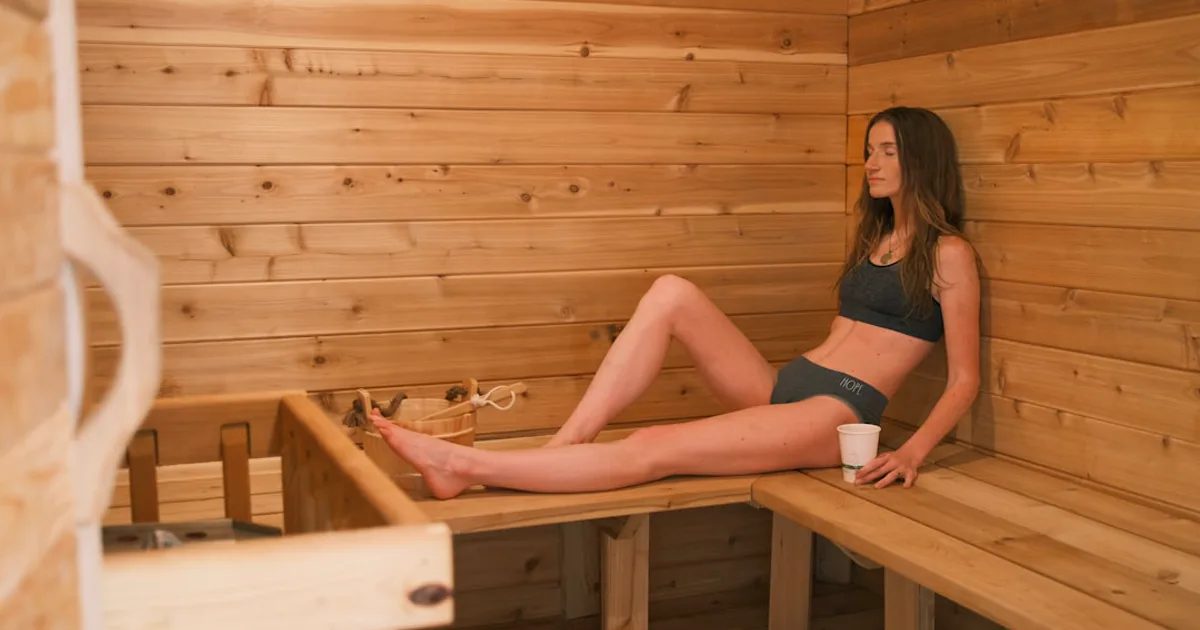
Once you settle in, the warmth builds slowly and a light sweat follows. Your heart rate ticks up, your blood vessels open, and researchers often compare the whole response to a moderate walk. It's calm and quiet — and in January, a very welcome change from the cold outside. Curious about the different heat levels and how to dial them in? The team can help you find your comfort zone with the infrared sauna at 5D Wellness in East Bethel.
Building Your Weekly Schedule
Frequency: start with three or four
For most people, three or four sessions a week is a sensible, sustainable target — enough to build a rhythm without upending your schedule. And there's an interesting wrinkle: large long-term studies of regular sauna bathing have found a dose-response pattern, with more frequent use (four to seven times a week) associated with better long-term outcomes than once-a-week use. You don't have to start there. Begin with a couple of sessions, see how your week absorbs them, and build from consistency rather than ambition.
Session length and temperature
New to it? A good on-ramp is to start around 110°F for five to ten minutes and stretch toward fifteen or twenty as it feels comfortable. Even seasoned sauna-goers usually keep sessions under thirty minutes and step out sooner if anything feels off. If you want to get more precise about heat settings, our beginner's guide to sauna temperatures breaks it down for East Bethel newcomers.
A sample winter week
Structure helps a routine survive a busy season. One pattern that works for a lot of North Metro schedules: Monday, Wednesday, and Friday sessions — two to bookend the workweek, one midweek reset — with an optional weekend visit after a cold morning outside. Anchor each session to something you already do, like a post-gym cooldown or a Sunday-evening wind-down, and it stops being one more thing to remember.
What a Regular Routine Supports Through Winter
Circulation, heart, and warmth
Part of why sauna time feels so good on a frigid day is physiological. Sitting in the heat produces cardiovascular responses that researchers have compared to moderate exercise, and regular sessions have been associated with supportive effects on circulation and blood pressure. For a body that spends winter braced against the cold, that dependable stretch of warmth is a genuine comfort.
Mood, stress, and sleep on dark days
The short days of a Minnesota winter can weigh on anyone. A quiet sauna session carves out a natural pocket of calm — many people find it eases stress and helps them relax, and better sleep has been linked to regular sauna use too. Think of it less as a treatment and more as a reliable way to slow down and feel a little more like yourself when the sun clocks out at 4:30. As always, this is about supporting your overall wellness, not replacing care from your own provider.
Sauna and Winter Recovery
After a workout, a cold day, or shoveling
Winter in the North Metro is surprisingly physical — hockey, ice-fishing hauls, driveways to clear, cold commutes that leave you tight and stiff. A sauna session is a satisfying way to thaw out afterward. In one study of athletes, a post-exercise infrared sauna session reduced muscle soreness and improved how recovered they felt the next morning. Whether you've been on the ice in Ham Lake or just wrestled the snowblower in Andover, easing into the warmth afterward can help you feel looser and readier for the next cold day.
Staying Safe and Hydrated
A few simple habits keep the whole routine feeling good all season. You still sweat in the sauna even when the winter air is bone-dry, so drink water before and after, and reach for electrolytes if you go longer. A quick shower afterward is a nice finish. Most important: listen to your body. If you feel dizzy, lightheaded, or nauseated, step out and cool down.
Sauna use isn't right for everyone. If you're pregnant, have trouble tolerating heat, or manage an ongoing medical condition, check with a qualified healthcare provider before starting a new routine. The goal is a wellness habit that fits your body — not a one-size-fits-all prescription.
Fitting Sauna Into a North Metro Winter
The best routine is the one you actually keep, so make it easy and make it yours. Pair your sessions with something you look forward to — a favorite podcast, a cold plunge afterward, a few minutes under red light — and let it become a ritual instead of a task. A membership takes the friction out of showing up consistently through the long months. When you're ready to make the warmth part of your winter, you can book a session at 5D Wellness in East Bethel.
Frequently Asked Questions
How often should I use an infrared sauna in winter?
Most guidance points to three or four sessions a week as a comfortable, sustainable target, and large observational studies link more frequent sauna bathing (four to seven times weekly) with better long-term outcomes. Start on the lower end and let how you feel guide you as the season goes on.
How long should a winter sauna session last?
Beginners do well starting around 110°F for five to ten minutes, then building toward fifteen to twenty minutes as it feels comfortable. Even seasoned users generally keep sessions under thirty minutes and step out sooner if they feel dizzy or lightheaded.
Is it better to sauna in the morning or evening during winter?
Both work — it comes down to your goal. A morning session can help you warm up and shake off a cold start, while an evening session pairs naturally with winding down and better sleep. Many North Metro members simply pick the time they can keep consistent.
Do I still need to hydrate in winter when I don't feel as thirsty?
Yes. You still sweat in the sauna even when the air outside is dry and cold, so drink water before and after your session and consider electrolytes. Winter thirst cues can be weaker, so don't wait until you feel parched.
Making It Part of the Season
A Minnesota winter is long, but a good routine makes it feel a little shorter. A simple, repeatable infrared sauna habit — a few sessions a week, kept comfortable and consistent — is one of the most sustainable ways to feel warmer, looser, and more grounded through the dark months. Start small, stay steady, and let the warmth become something you look forward to. When you're ready to build yours, the sauna's waiting in East Bethel.
This article is for general wellness and educational purposes only and is not medical advice. 5D Wellness services are not a substitute for professional medical care. Results vary by individual. Consult a qualified healthcare provider before starting any new wellness practice, especially if you are pregnant or have a medical condition.