
Infrared Sauna
Is an Infrared Sauna Safe? Wellness Contraindications to Know
5D Wellness Team·8 min read·June 30, 2026
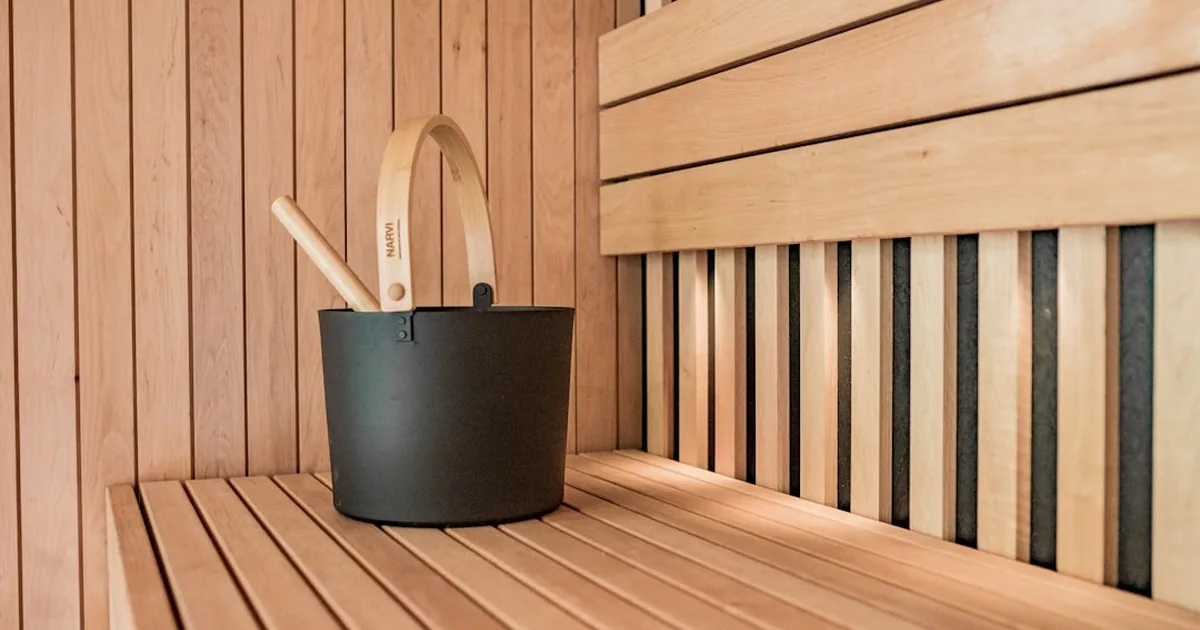
Is an infrared sauna right for you?
Walk into almost any wellness studio in the North Metro these days and you'll find an infrared sauna glowing in the corner. They've become a regular part of how people in East Bethel, Ham Lake, and Andover unwind after a long Minnesota winter or a hard workout. And the question we hear most isn't "does it work?" — it's "is this safe for me?"
For most healthy adults, the answer is reassuring. Used sensibly, an infrared sauna at 5D Wellness is a gentle, low-stress way to relax and recover. But "most" isn't "everyone." There are real situations where the heat is worth approaching carefully — or skipping altogether. This guide walks through how infrared saunas work, who should be cautious, the everyday risk to watch for, and how to make a first session comfortable and safe.
How an infrared sauna works (and why it feels gentler)
A traditional sauna heats the air around you, often to 180°F or hotter, and that hot air warms your skin. Infrared takes a different path. It uses infrared light to warm your body directly, so the cabin itself stays much cooler — usually somewhere around 110°F to 140°F.
That lower air temperature is exactly why so many beginners find infrared more approachable. You still work up a good sweat, but the room feels far less intense than a steamy traditional sauna. Here's the honest catch, though: a cooler cabin doesn't mean zero heat stress on your body. Your heart rate climbs, you lose fluid through sweat, and your blood vessels respond to the warmth. Gentler is not the same as risk-free, which is why the rest of this guide matters.
So, is an infrared sauna actually safe?
The short version: for healthy people, the track record is encouraging. A review of far-infrared sauna studies reported no adverse effects across the trials examined, with typical sessions running about 15 minutes a day over several weeks. Cleveland Clinic frames infrared sauna use much the same way — fine for most people who follow a few common-sense limits on time, temperature, and hydration.
That said, let's be honest about the evidence. The research base is still fairly thin, and some popular claims — particularly around skin — haven't been well studied. One analysis pointed out that a literature search turned up no studies specifically examining infrared sauna skin benefits and safety. None of that should scare you off. It just means good sense and a little caution go a long way. A short, supervised session in a controlled setting is a smarter starting point than cranking the heat at home and hoping for the best.
Who should be cautious or avoid an infrared sauna
This is the heart of the matter. If any of the following apply to you, talk with your healthcare provider before your first session — and in some cases, sit this one out.
Heart and blood pressure conditions
Heat puts extra demand on your cardiovascular system. Medical reviews list severe aortic stenosis, unstable angina, and a recent heart attack as contraindications to sauna bathing. If you have uncontrolled high blood pressure or known heart disease, Harvard Health advises that you check with your doctor before taking a sauna. Part of the reason: your blood pressure response to heat is genuinely unpredictable, rising in some people and dropping in others.
Pregnancy and trying to conceive
Raising your core temperature during pregnancy isn't recommended, and Cleveland Clinic notes that sauna use can be harmful during pregnancy. If you're pregnant or trying to conceive, the safest move is to wait — heat isn't ideal for sperm health either. Ask your provider about when it's appropriate to return.
Heat-sensitive conditions
Some conditions make people less tolerant of heat. People with multiple sclerosis, for instance, tend to be heat intolerant and are generally advised to skip saunas. If you know heat tends to flare your symptoms or leave you wiped out, take that signal seriously.
Temporary reasons to wait
Even if saunas are usually fine for you, some days you skip it. Running a fever or feeling under the weather? Wait until you're back to normal. And go easy on anything that changes how your body handles heat — combining alcohol with sauna heat raises the risk of low blood pressure, irregular heartbeat, and worse, so save the drink for another time. Some medications that reduce sweating can do something similar, so ask your pharmacist if you're unsure.
The most common real risk: dehydration and overheating
For healthy adults who use the sauna responsibly, the everyday risk isn't some dramatic event. It's simple dehydration. You sweat a meaningful amount of fluid in even a short session, and if you don't replace it, you can start to feel rough.
Learn the warning signs and respect them. If you suddenly feel dizzy, lightheaded, or nauseated, step out right away, cool down, and drink water. There's no prize for toughing it out. The fix is refreshingly low-tech: drink water before you go in, bring a bottle with you, and rehydrate afterward — Harvard suggests a couple of glasses of cool water after each session. Cooling down gradually instead of rushing back into a Minnesota winter chill helps too. For a deeper routine, see our guide on how to hydrate around a session.
Beginner-safe session guidelines
If you're cleared to use the sauna, a gentle on-ramp makes the whole experience better. A sensible starting point looks like this:
- Start cooler and shorter — around 110°F for just 5 to 10 minutes on your first visits.
- Keep sessions under roughly 20 to 30 minutes as you build tolerance.
- Aim for about three to four sessions a week rather than daily marathons.
- Hydrate before and after, and never go in on an empty tank or after drinking.
- Let your body, not the timer, have the final say. If you've had enough, you've had enough.
One quiet advantage of starting at a studio is that you're not figuring this out alone. The team at 5D Wellness can help you set a comfortable temperature and time for your first visit, so you leave relaxed instead of overcooked. If you'd like to dial in the numbers, our beginner-friendly temperature guide breaks it down further.
Separating the evidence from the hype
Infrared saunas get marketed with some big promises — deep "detox," dramatic skin transformation, the occasional too-good-to-be-true headline. Keep a healthy dose of skepticism. As noted above, many of those flashy claims simply aren't backed by published medical evidence yet. The benefits worth showing up for are the grounded ones: relaxation, a sense of recovery, warmth on a cold day, and a quiet half hour to yourself. Enjoy those for what they are, and let the marketing wash over you.
Frequently Asked Questions
Is an infrared sauna safe for beginners?
For most healthy adults, yes. The key is to start low and short — around 110°F for 5 to 10 minutes — drink water, and step out if you feel lightheaded. Build up gradually over several visits rather than pushing for a long, hot session on day one.
Who should not use an infrared sauna?
Skip the sauna, or talk with your doctor first, if you are pregnant, trying to conceive, have a heart condition such as unstable angina, a recent heart attack, or severe aortic stenosis, have uncontrolled high blood pressure, are heat-intolerant (for example with multiple sclerosis), or are ill with a fever.
Can I drink alcohol before or after an infrared sauna?
It's best to avoid it. Alcohol combined with sauna heat raises the risk of low blood pressure, irregular heartbeat, and fainting, so save the drink for another time and focus on water instead.
How long and how often is safe?
Most guidance suggests keeping sessions to about 15 to 30 minutes and using the sauna roughly three to four times a week. Hydrate before and after, and let your body — not the clock — be the final say.
The bottom line
For most healthy adults, an infrared sauna is a safe, genuinely pleasant way to relax and recover — especially welcome through a long North Metro winter. The contraindications are real and deserve respect: heart conditions, uncontrolled blood pressure, pregnancy, heat sensitivity, illness, and alcohol all call for caution or a conversation with your provider first. If none of those apply to you, ease in slowly, drink your water, and listen to your body. When you're ready to try it in a comfortable, supervised setting, book your first session and let us help you start the gentle way.
This article is for general wellness and educational purposes only and is not medical advice. 5D Wellness services are not a substitute for professional medical care. Results vary by individual. Consult a qualified healthcare provider before starting any new wellness practice, especially if you are pregnant or have a medical condition.