
Infrared Sauna
Warming Up for Ice-Fishing Season with Infrared Heat
5D Wellness Team·8 min read·August 17, 2026
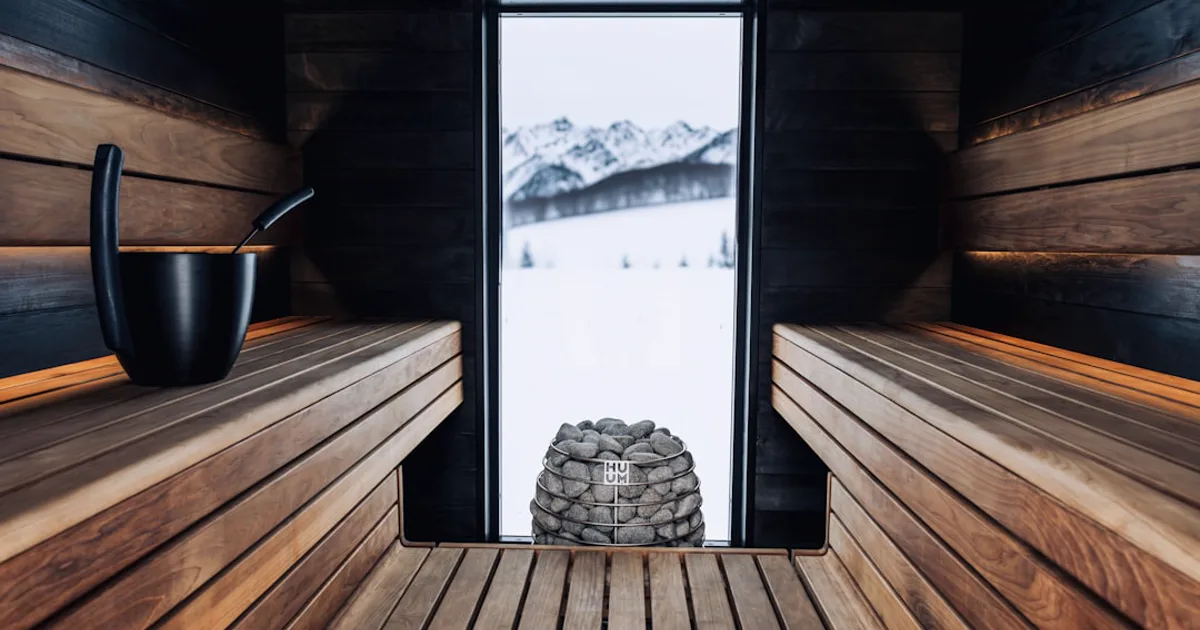
Anyone who's spent a January morning on a frozen Minnesota lake knows the particular chill of ice fishing. Hours on a bucket. Hands stiff inside your gloves. Shoulders and lower back locked up from sitting still in the cold. By the time you pack up the auger and head home, your body feels a step behind. For anglers around East Bethel, Ham Lake, Cedar, and up toward Isanti and Forest Lake, warming up afterward is half the ritual. One comfortable way to do it is infrared sauna heat, which warms you from the inside out and gives tired, cold-locked muscles a gentle place to loosen. Here's how it works, what a session feels like, and how to make it a sensible part of your ice-fishing season.
Why infrared heat is built for cold Minnesota days
Not all heat is the same. A traditional sauna warms the air around you; an infrared sauna uses lamps to warm your body directly. That difference matters when you're trying to thaw out after a day on the ice.
Warmth from the inside, not just the air
Because infrared lamps heat the body rather than the room, they run at noticeably lower temperatures — typically around 110 to 135°F, compared with the 150 to 195°F of a traditional sauna, according to Cleveland Clinic. The heat also reaches a few centimeters into your tissue instead of just warming the surface of your skin. After hours of cold soaking into your hands, feet, and back, that deeper, gentler warm-through tends to feel better than blasting yourself with a hot shower. You can try it in the infrared sauna at 5D Wellness in East Bethel.
A gentle circulation boost
As your body warms, blood vessels widen and blood flow picks up. Cleveland Clinic notes the body essentially mimics a light-exercise response, with the heart pumping a little harder and circulation increasing. Harvard Health describes the same pattern in sauna heat generally: the pulse rises and the heart moves more blood each minute, sending much of that extra flow toward the skin, as Harvard Health explains. For a body that's been sitting cold and still for hours, that nudge to circulation is exactly the kind of warm-up that feels good.
Easing the stiffness after a day on the ice
Ice fishing is deceptively hard on the body. You're not running a marathon, but you are sitting hunched in the cold for hours, hauling gear across the snow, and holding the same position while you wait on a flag. By evening, that combination leaves a lot of people stiff and achy.
Why you feel stiff after the cold
Cold muscles are tight muscles. Add long stretches of sitting still on a bucket or in a shelter, and your shoulders, hips, and lower back tend to seize up. Warmth is one of the oldest, simplest comforts for that kind of stiffness, and infrared heat delivers it in a relaxed, low-effort way. You just sit and let it work.
What the recovery research shows
There's a small but interesting body of research on infrared saunas and muscle recovery. In one study, athletes who did a 20-minute infrared sauna session after hard resistance exercise reported less muscle soreness and better-preserved explosive performance than those who simply rested. The researchers were careful to note the benefits showed up mostly in how sore people felt and how they performed, rather than in blood markers of muscle damage — so think of it as comfort and perceived recovery, not a repair machine. Results vary from person to person, and a day of ice fishing isn't a gym session. But the takeaway still translates: warmth after a cold, effortful outing helps a lot of people feel looser and more recovered.
Infrared vs. traditional sauna: which for winter warm-ups?
Minnesota has a proud sauna culture, and there's nothing wrong with the traditional kind. But if you're new to heat therapy, or you just want the most comfortable way to thaw out, infrared has a couple of practical advantages.
Comfort and lower strain
In a study comparing the two, far-infrared sauna bathing at lower humidity produced a lower heart-rate response than a traditional high-humidity Finnish sauna — the infrared group's heart rate sat around 71 beats per minute after treatment versus 92 in the traditional sauna. That same research points out that infrared heat reaches roughly 3 to 4 centimeters into fat tissue and the neuromuscular system, so you get a deep, thorough warmth at milder temperatures.
Picking what fits you
Both will warm you up after a cold outing. The difference is mostly comfort. Infrared's lower temperatures and gentler feel make it an easy entry point, especially if a hot, humid traditional sauna has ever felt like too much. Plenty of people end up enjoying both, depending on the day.
What to expect from your first session
If you've never used an infrared sauna, the first thing you'll notice is how ordinary the room feels. It's warm and dry, not the wall of steam some people expect. You sit, the heat builds gradually, and after several minutes you start to sweat lightly. Wear loose, comfortable clothing or a towel, bring water, and give yourself time to relax rather than clock-watch. Most beginners start on the shorter side and work up; if you're wondering about timing, we've written a full guide to how long an infrared session should last. After a cold day fishing, even a modest session can feel like the moment your body finally exhales.
Sensible sauna habits for the winter season
Making infrared part of your ice-fishing season is easy, but a few simple habits keep it comfortable and safe. Keep sessions in the 15-to-30-minute range and aim for a few times a week rather than marathon sittings, as Cleveland Clinic advises. Drink water before and after — winter sweat dehydrates you just as much as summer sweat, so it helps to hydrate before and after. Skip the alcohol beforehand, cool down gradually instead of rushing back out into the cold, and step out if you ever feel lightheaded. And if you're pregnant, managing a heart condition, or feeling under the weather, check with your healthcare provider before you start.
The Bottom Line
Ice fishing is a Minnesota tradition worth the cold, and infrared heat is a comfortable, practical way to thaw out and unwind once you're off the lake. It warms you from the inside, nudges your circulation, and gives stiff, cold-weary muscles a relaxed place to loosen — no athletic ambitions required. If you'd like to make it part of your winter routine, you can book a session at 5D Wellness in East Bethel and warm up the way the North Metro does best.
Frequently Asked Questions
How soon after ice fishing should I use an infrared sauna?
There's no strict rule — many people head in once they're back and out of wet layers. A 15-to-30-minute session while your muscles are still stiff from the cold is a comfortable way to warm through and unwind. Skip it if you feel unwell, and if you're deeply chilled, warm up gradually first rather than jumping straight into heat.
Is an infrared sauna better than a hot shower for warming up?
A hot shower warms your skin quickly, while infrared heat warms the body more gradually and penetrates a few centimeters into tissue, which many people find more comfortable and longer-lasting. Both are fine; the sauna simply adds relaxation time and a fuller-body warmth that a quick shower doesn't.
How hot does an infrared sauna get compared to a regular sauna?
Infrared saunas typically run about 110 to 135°F, noticeably cooler than a traditional sauna's 150 to 195°F. Instead of heating the air around you, infrared lamps warm your body directly, so you get a deep sweat at a gentler temperature.
Do I need to be an athlete to benefit from a recovery sauna?
Not at all. The same circulation boost and muscle-easing warmth that helps athletes also helps anyone who's spent a stiff, cold day outdoors. Ice anglers, snowmobilers, and weekend shovelers all get the same comfortable warm-up.
This article is for general wellness and educational purposes only and is not medical advice. 5D Wellness services are not a substitute for professional medical care. Results vary by individual. Consult a qualified healthcare provider before starting any new wellness practice, especially if you are pregnant or have a medical condition.